 New York Mets
· 2026-07-13
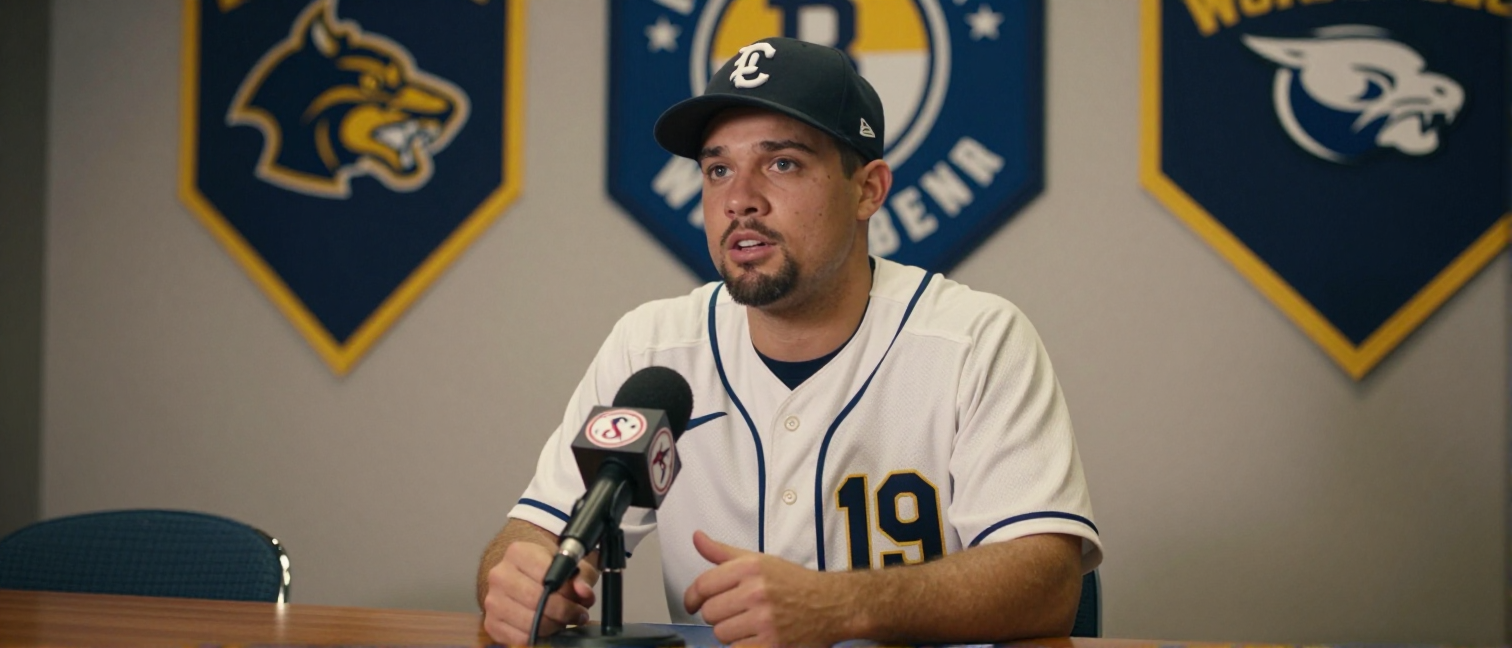
New York Mets entered the 2026 MLB Draft with a clear mission: restock a farm system that fell to No. 24 in Baseball America. The club selected 19 players, mixing college talent with two high‑school prospects, hoping to climb from a 14th‑place, 40‑57 record and a three‑game losing streak.
The Mets opened the draft by taking Arkansas right‑hander Carson Wiggins at No. 27 overall. Scouts praised his velocity and a wipeout slider, envisioning him as a future frontline starter or a high‑leverage reliever capable of 102 mph fastballs. He would be the first first‑round pitcher the Mets signed since David Peterson in 2017, signaling a renewed focus on arm depth.
In the third round, the Mets grabbed Texas outfielder Aiden Robbins at No. 92. Robbins posted a .422 average as a sophomore at Seton Hall before exploding in the Cape Cod League, where he led with a .307 average, .545 slugging and a .936 OPS. After transferring to Texas, he doubled his career home run total, hitting 24 in a single season. The Mets value his blend of power and contact, despite lingering questions about his ability to handle breaking balls consistently.
The fourth‑round pick, Texas A&M left‑hander Shane Sdao, arrived after a 2025 Tommy John surgery and a rough 2026 season (7.03 ERA in 71.2 innings). Yet his fastball touched 97 mph and his low‑mid‑80s slider earned above‑average grades. At 6‑3, 185 lb, the Mets see room for physical growth and expect him to develop into a back‑end starter or a reliable swing‑man.
Day two featured a quartet of college pitchers, beginning with Florida right‑hander Luke McNeillie, underscoring the Mets' strategy to stock the rotation with high‑upside arms. In total, the draft yielded 12 pitchers and seven position players, a balance aimed at addressing both immediate depth and long‑term potential. With the major league club languishing near the bottom of the NL, these selections could be the foundation for a turnaround.
The Mets sit 14th in the National League, holding a 40‑57 record and enduring a three‑game losing streak. Their most recent outing ended in a 2‑3 defeat to the Boston Red Sox on July 12, 2026. Infusing the organization with fresh talent may help reverse that slide, giving the front office ammunition for future trades and a stronger pipeline for the next competitive window.
All 19 players must sign before the deadline to join the Mets' minor‑league affiliates. Development staff will evaluate each prospect’s mechanics, health and mental makeup, tailoring individualized programs. If Wiggins signs, he joins a pitching cohort that includes Sdao and McNeillie, creating internal competition that could accelerate growth.
Analysts expect a sell‑off at the July deadline, but the influx of young arms gives the Mets leverage. Prospects like Wiggins could become trade chips, while the organization may retain others to fill future rotation spots. The draft thus serves both as a rebuild catalyst and a strategic asset for upcoming negotiations.